
Home Remodeling
Kitchens, bathrooms and additions across Sacramento, Placer and El Dorado counties — drawn and built by one team, on a price set before the work starts.
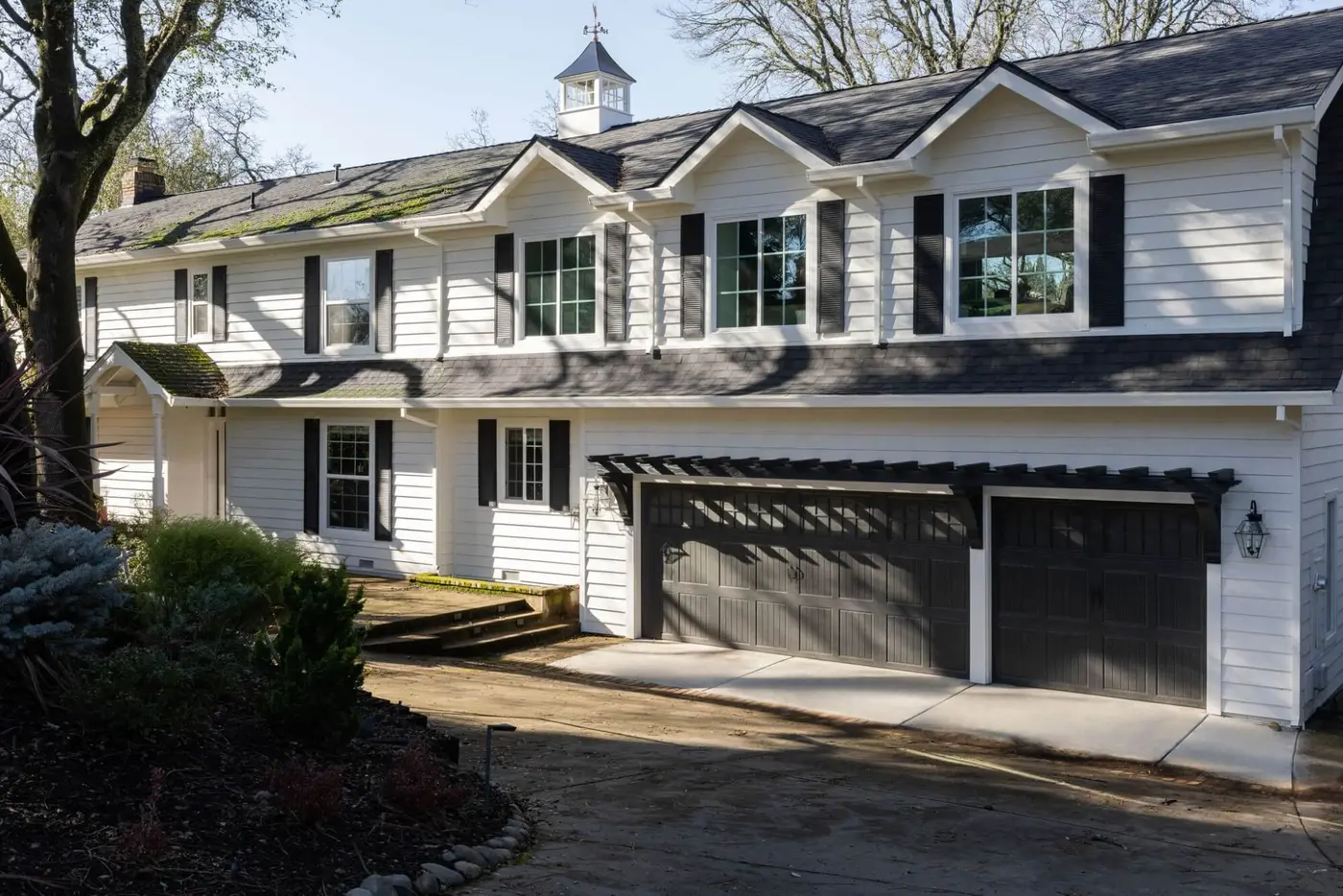
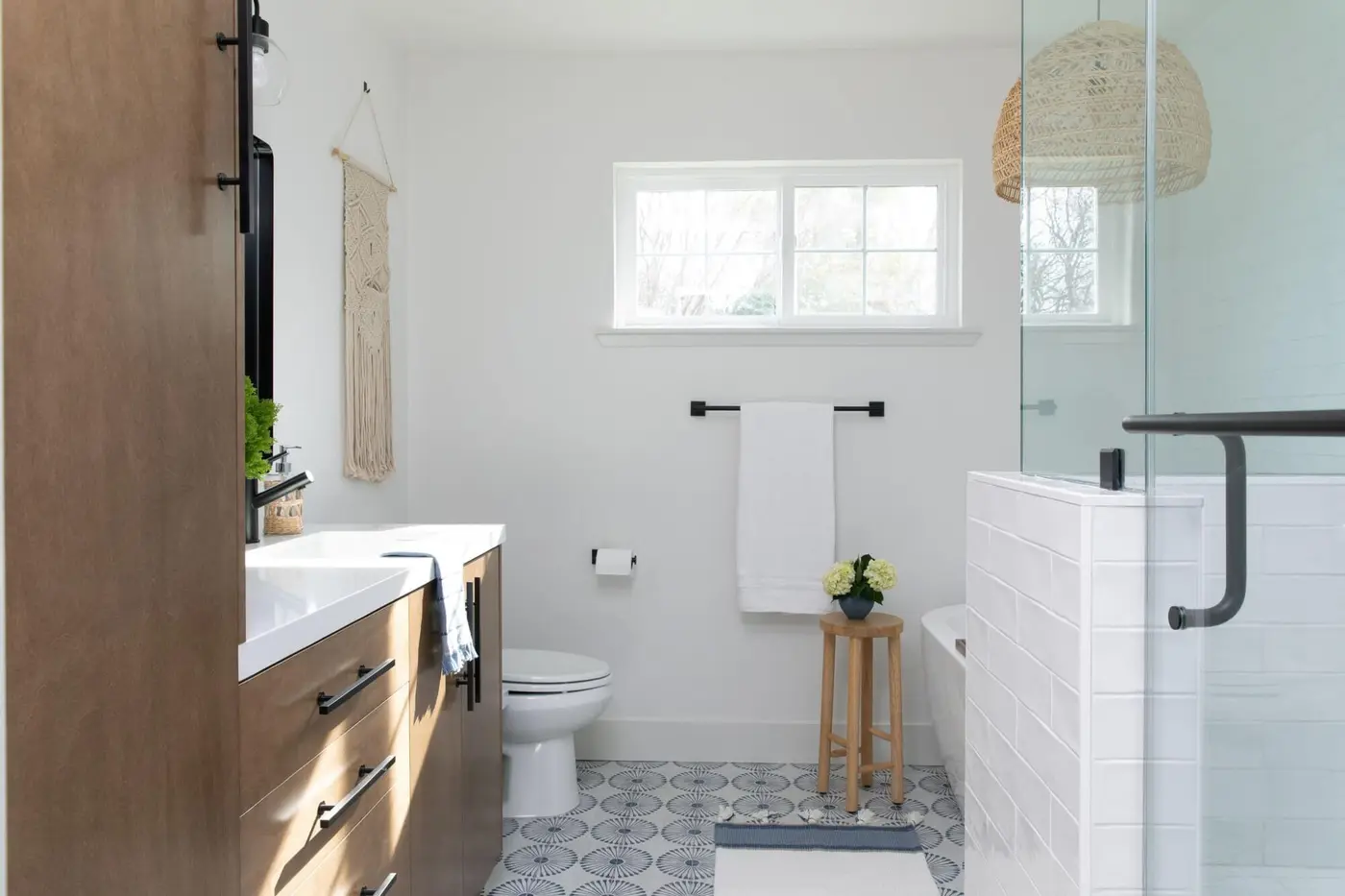
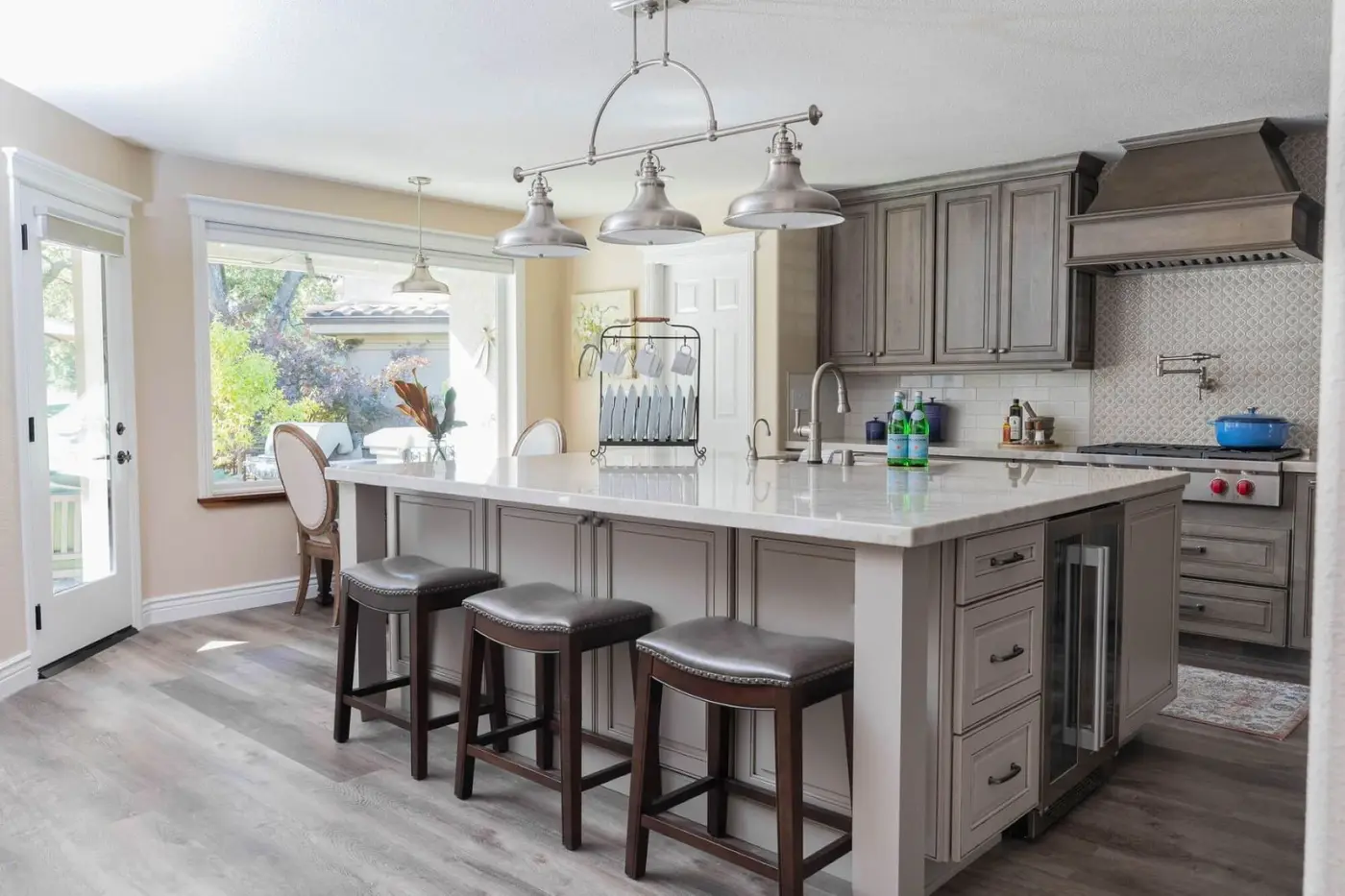
Three kinds of remodel, one process
Nearly everything we are asked to look at falls into one of the three above. A kitchen that no longer fits the way the family actually cooks. A bathroom that was tiled decades ago and is now leaking somewhere you cannot see. Or a house that is fundamentally right except that it is one room short.
On site they are different jobs — different trades, different lead times, different permits. Before site, they run through exactly the same process, and that process is the part worth understanding before you call anybody, us included.
Design and build under one roof
Brenna Krouse is a licensed interior designer. Rusty Krouse is a licensed general contractor. They founded K Squared Construction in 2006 and have spent twenty years designing and building around Sacramento, with work featured on HGTV and DIY Network — Kitchen Crashers, House Crashers, Yard Crashers and America's Most Desperate Kitchens.
The practical effect is simple. The people drawing your remodel and the firm responsible for building it are the same. Nobody hands your project across a gap, and nobody gets to tell you the other guy drew it wrong.
The work happens on paper first
The clearest difference between a remodel that runs to plan and one that does not is how much was genuinely decided before demolition day. We put that in writing as a Pre-Construction Services Agreement — a signed agreement covering the design and documentation work, separate from and ahead of the construction contract itself.
Its whole purpose is to build the project on paper before it gets built in your house. Every decision made on paper is a decision nobody has to make in a hurry later, standing in a torn-open room while trades wait to get back in.
The four phases before a construction contract
- Phase 1 — Design and budget development. Measured scans and site visits, as-built drawings of what is actually there now, and honest budget ranges built on that.
- Phase 2 — Design development. Cabinets, countertops, tile, flooring, plumbing fixtures, lighting and hardware, with 3D renderings so you can see the room before it exists.
- Phase 3 — Construction documentation. The full plan set, structural engineering where the work calls for it, Title 24 energy calculations, electrical, plumbing and HVAC layouts, and the building department submittal.
- Phase 4 — Final proposal and contract. One document carrying the scope, the drawings, the schedule, the allowances and exclusions, and a fixed price.
Most contractors skip the bulk of this, because it takes time and none of it is billable construction work. Homeowners often want to skip it too, for the understandable reason that nothing visible is happening yet. Skipping it is also the most reliable way to end up holding a price that moves after you have already committed.
What a fixed price actually requires
A price is only as fixed as the information sitting behind it. Ours arrives at the end of phase four, once the drawings are finished, the selections are made and the engineering is done — because by that point there is very little left to discover.
Pre-construction runs roughly eight to sixteen weeks depending on how complex the project is. That is real time spent before anything visible happens, and it is the trade we are asking you to make: a slower start, in exchange for a number and a schedule you can plan around.
Where we work
Sacramento, Placer and El Dorado counties, from an office in Granite Bay. That covers Roseville, Granite Bay, El Dorado Hills, Folsom, Fair Oaks, Orangevale, Carmichael, Sacramento, Citrus Heights, Rocklin, Lincoln, Loomis, Penryn, Newcastle, Auburn and Shingle Springs. If you are somewhere nearby that is not on the list, call and ask — the boundary is about drive time rather than a hard line on a map.
If it is not a remodel
Adding a separate unit rather than changing the house you have is an ADU, which carries its own permit path and its own rules. Starting from bare land is a custom home. We do both, and neither is what the three pages above are about.
Common questions
What does design-build actually mean?
It means the design and the construction sit with one firm instead of two. On the more common arrangement you hire a designer or architect first, then take their drawings out to contractors for pricing. That works, but it splits responsibility: if the drawings cannot be built for what you were told, each side can reasonably point at the other. Under design-build, the firm drawing it is the firm that has to build it, so a detail that will not work gets caught while it is still a line on paper.
How long is it before construction actually starts?
Pre-construction runs about eight to sixteen weeks depending on complexity — that is the design, the selections, the engineering, the permit set and the final proposal. It is genuinely slower at the front than a contractor who measures once and hands you a number. The time is what makes the price and the schedule that follow it hold.
Is the construction price fixed, or does it move?
The construction contract is a fixed price, and it is fixed because of everything that happens before it is written. Allowances and exclusions are spelled out in the same document rather than left vague. Change orders are not impossible — if you change your mind about something after we start, that is a change — but they stop being the routine monthly surprise they are on a job that was priced off incomplete drawings.
What is a Pre-Construction Services Agreement?
It is a contract covering the planning work itself, signed before any construction work begins and separate from the construction contract. It sets out the structural planning, the 3D design, the material selection and the process, so that the whole project is worked out on paper first. It is the mechanism that makes a genuinely fixed construction price possible later.
What areas do you serve?
Sacramento, Placer and El Dorado counties. Commonly Roseville, Granite Bay, El Dorado Hills, Folsom, Rocklin, Fair Oaks, Carmichael, Sacramento, Auburn, Loomis, Lincoln and Shingle Springs, among others. Somewhere nearby and not on the list? Call and ask — the boundary is about drive time, not a hard line on a map.